Categorieën
AI Ethiek Technologie Theologie

Master thesis Deepfakes and extreme beliefs

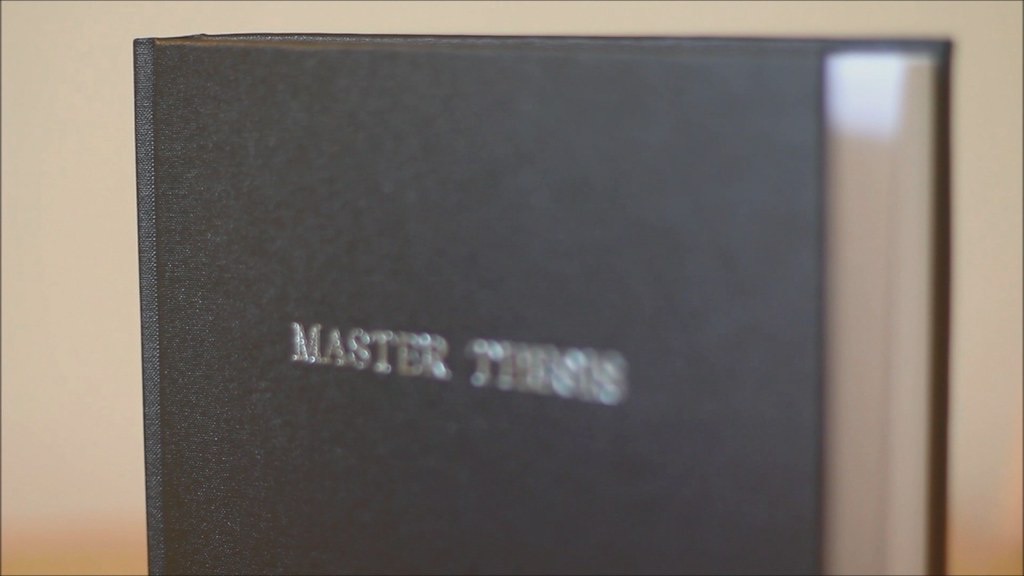
For my master’s in theology I have written a master thesis titled Deepfakes and extreme beliefs : an ethical evaluation. The research underpinning this thesis is part of the interdisciplinary, multi-year Extreme Beliefs research programme that runs at the Vrije Universiteit Amsterdam and is chaired by dr. Rik Peels, who also supervised my master thesis. You can find the abstract, keywords and a link to a PDF of my thesis below

Abstract

Deepfakes are a nascent technological phenomenon that is expected to have a profound impact on our society. In this thesis I will conduct an ethical assessment using the reflective equilibrium method for the use of deepfakes in the context of groups holding extreme beliefs. This research will not provide a normative ethical evaluation but will expose what moral principles are at stake. It is based on three case studies that are situated in Belgium and the Netherlands in the years 2020, 2021 and 2031. The selected case studies each represent an increasing distance towards reality which is modeled after the different stages in Jean Baudrillard’s simulacra-model (1994). The exposed moral principles will vary from pro tanto personal principles, like freedom of speech and informed consent, to pro tanto societal principles, like climate justice, transparency, epistemic authority, credulity, and the pro tanto obligation to do no harm. It is argued that for future case studies that involve an ethical assessment of deepfakes, these moral principles are useful to properly contextualize deepfakes as a social phenomenon. Deepfakes should not be considered as a new and isolated technical category, but as a technology wrapped in a broader, social context in our society that will amplify existing sociological trends like the diminished trust in epistemic authorities. Deepfakes can and will be weaponized by groups holding extreme beliefs and should be seen as the latest technology manifestation in the creation of disinformation and propaganda. In general mis- and disinformation will lead to an epistemic deterioration of our information environments (De Ridder 2021) and deepfakes will only accelerate and amplify this. The insights from this research will help both researchers in academia and the general public to take a broader, more nuanced, and contextualized view to assess the moral impact of deepfakes and it will help to inform the public debate around deepfakes and increase media literacy. 

Keywords

deepfakes, synthetic media, ethics, reflective equilibrium, extreme beliefs, conspiracy theories, artificial intelligence, case studies, Jean Baudrillard, simulacrum 

PDF version of thesis

Categorieën
AI Technologie Theologie Uncategorized

AI en theologie een mooie combi

Ik las vandaag een artikel van Wido van Peursen, hoogleraar Oude Testament aan de VU in Amsterdam, waarin hij uiteenzet wat de mogelijke impact van kunstmatige intelligentie is op theologie. Zijn betoog is onder andere geschreven naar aanleiding van een satirisch stukje op de website Kanaän Courant (een christelijke versie van De Speld) waarin een dominee AI gebruikt om preken mee te genereren. Ik heb als AI-theoloog wat commentaar gegeven in de vorm van een Twitter-draadje welke hieronder te lezen valt.

Ik ben benieuwd naar jullie visie op AI en theologie, dus laat gerust een comment achter hieronder of neem contact met me op als je hier een keer over wil sparren

Categorieën
AI Algemeen

Yuval Harari bij DWDD

Twee weken geleden was het zover. De bekende Israëlische historicus en bestsellerauteur Yuval Noah Harari, werd geïnterviewd door Adriaan van Dis bij het programma De Wereld Draait Door (DWDD). In deze uitzending ventileert Harari zijn visie op de toekomst en ziet dat er grote veranderingen aan zitten te komen. Volgens hem zijn de drie grote krachten die de toekomst (kunnen) gaan bepalen: kernwapens, de opkomst van kunstmatige intelligentie (AI) en bio-engineering.

https://www.youtube.com/watch?v=wQnzHHlauho

Het is niet voor niets dat Harari een grote populariteit heeft verworven met zijn boeken. Hij schrijft in een aanstekelijke, licht ironische stijl die veel mensen aan zal spreken. Zijn boodschap daarentegen is er vooral op gericht om veel mensen te laten nadenken over de toekomst. Ik denk dat het relevant is voor iedere christen om na te denken wat de impact is die technologie op onze wereld heeft en hoe je hier mee om zou moeten gaan. Het werk van Harari is toegankelijk en geeft voldoende stof tot nadenken. Ik zou iedereen die in dit onderwerp geïnteresseerd is het boek Homo Deus te lezen, wat ik persoonlijk zijn beste werk vind.

Het is goed te beseffen dat Harari historicus is en verder niet veel met religie op heeft, hetgeen je duidelijk terugvindt in zijn werk. Desalniettemin weet hij als geen andere de grote lijnen van de toekomst van de mensheid met verve te schetsen. Uiteraard is het zaak om kritisch naar zijn werk te blijven kijken en een aardig kritisch perspectief biedt bijvoorbeeld de advocaat H.G.J. Ligtenberg in zijn artikel over Harari op Wapenveld, het online platform over geloof en cultuur.

Als AI-theoloog denk ik graag mee met kerken en christelijke organisaties hoe zij om zouden kunnen gaan met de wereld die steeds sneller verandert door technologie. Ik doet door middel van spreekbeurten, preken en lezingen te geven. Mocht u hierover van gedachten of meer willen weten, neem dan gerust contact met mij op.